As a travel nurse, you have the ability to explore places and patient populations all throughout the United States. Of course, the goal is always to provide the very best in care while ensuring each patient’s needs are met. Every day presents new challenges and no two patients are the same, and travel nursing increases this diversity! With America being a hub for multicultural patients, cultural competence in nursing is extremely important. Today we’ll discuss some of the main ways travel nurses can better serve patients of all backgrounds!

Search for Travel Nursing Jobs in Your Specialty Today!
Just like accents, everyone has a culture regardless of whether or not it is evident in their day-to-day interactions. Considering that nursing care is very intimate, it’s important to understand how different cultures or belief-systems feel about certain treatments. What might seem like a noncompliant patient may actually be someone responding to their cultural norms. Recognizing this is absolutely crucial!
According to Sue Hasenau, RN, MSN, and member of the TransCultural Nursing Society, “to be a true patient advocate, a nurse needs to be culturally aware.” So what way is cultural competence in nursing achieved?
Basic Tips for Cultural Competence in Nursing
1. Throw out Your Assumptions
After graduating from nursing school and working in the field every day, it’s sometimes difficult to remember that not everyone is as aware of medical risks and illnesses as yourself. For individuals who immigrate from countries with less access to advanced medical care, it’s possible that they have never encountered certain types of diseases in a clinical setting.
For instance, executive director of the TransCultural Educational Center, Gihan ElGindy, RN, MSN actually developed a breast-cancer awareness program for women from areas in Africa, the Middle East, and Asia where this condition is virtually non-existent. Unfortunately, the longer these women lived in the US, the higher their risk of breast cancer became. Without a push for greater cultural competence in nursing, these individuals might have remained unaware of the risks.
Since you can’t make assumptions about what patients know, interact with an open mind ready to address unique cultural preferences!
2. Explain Things in Detail
It’s no secret that medical jargon can be confusing for even native English speakers, so take this into consideration when treating people who primarily speak another language. Some people are too shy to say they don’t understand something, so really make sure that you’re getting the information across efficiently. Cultural competence in nursing really means going above and beyond to ensure each individual is treated properly, although language is definitely a barrier for many. If there isn’t someone available to translate, consider learning basic phrases and questions in various languages like Spanish, Arabic, Mandarin, or any others that address your patient population.
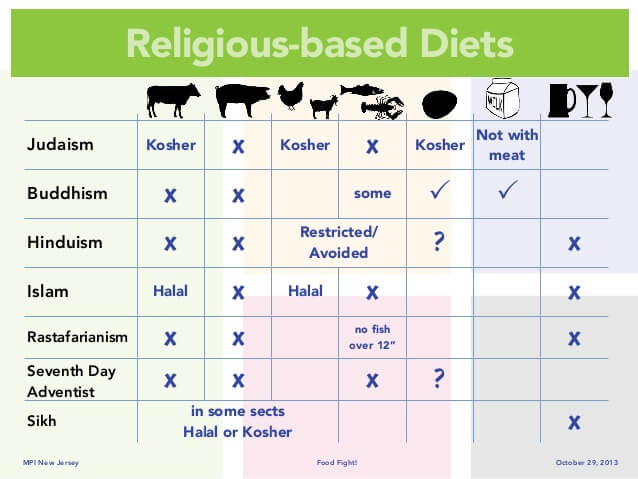
Additionally, Muslim, Jewish, and Buddhist patients often follow strict dietary guidelines. When certain medications contain alcohol (like cough syrup) or are made with pork (such as insulin) it’s critical to warn Muslim and Jewish patients of this. In non-emergency situations, try to find alternatives to these things if possible. Devout Buddhists not only avoid pork but all meat entirely. When preparing meals or certain treatments, these patients require that the utensils do not contact animal products or alcohol. As always, ask patients about their dietary restrictions and how you can accommodate them — this gesture can go very far in terms of comfort and communication!
3. Don’t be Quick to Judge
As mentioned, individual health and the intimate duties nurses perform aren’t always within the comfort zone of certain patients and their families. Whereas many Americans value the nuclear family, many Asian and Hispanic cultures place significant value on extended family and elderly relatives. This can mean a significant increase in visitors when someone falls ill. For nurses, this isn’t always the most convenient thing, however, it’s important to accommodate these visitors during this difficult time.
Another common aspect of practicing cultural competence in nursing is understanding the notion of self-care and how certain cultures view such a thing. Many Americans assume responsibilities for things like feeding and bathing themselves, however, this isn’t always a value all cultures share. Some may place more value on interdependence as demonstrated by family members caring for one another when ill. This makes it important to realize when not to push for self-care, unless of course, it’s critical to the recovery of a patient.
How do you practice cultural competence in nursing? Let us know in the comments below!
