Being a triage nurse is both challenging and rewarding. In the fast-paced corridors of emergency departments, these skilled professionals are the first point of contact for patients needing immediate care.
Their ability to quickly assess and prioritize patient conditions can significantly affect outcomes and ensure that those in critical need get the attention they require.
In this blog, we’ll explore the unique mix of skills needed in triage nursing, the common scenarios faced, and the real impact these nurses have on patients and their families.
Whether you’re thinking about a career in this field or just curious about the crucial work that triage nurses do, you’re in the right place to discover the heart of this vital profession.
What is Triage Nursing?

Triage nursing is a specialized area of healthcare focused on initially assessing patients in emergency rooms. Triage nurses work to determine how urgent a patient’s condition is and decide the order of treatment based on their needs.
This involves checking symptoms, vital signs, and health history to classify cases as life-threatening, urgent, or non-urgent.
While a triage nurse typically works in an emergency room, there are also telephone triage nurse positions where nurses can assess patients remotely.
The main goal is to maximize patient outcomes by ensuring that those needing emergency treatment get it quickly while keeping busy emergency departments running smoothly.
Key Roles and Responsibilities of a Triage Nurse
Both in-person and telephone triage nurses have a wide range of responsibilities that require them to be efficient, well-organized, and able to think critically in high-stress situations. Some of the key roles they fulfill include:
- Assess Patient Conditions: A triage nurse must quickly evaluate patients to determine the severity of their conditions and the urgency of their needs.
- Prioritize Patient Care: A triage nurse establishes the order of treatment for patients, ensuring those who require immediate medical assistance are attended to first.
- Conduct Initial Examinations: A triage nurse performs basic medical assessments to gather vital signs and initial health information.
- Communicate with Patients and Families: Both in-person and telehealth triage nurses work to provide clear explanations to patients and their families about the triage process and what to expect.
- Document Patient Information: Triage nurses ccurately record patient data and assessments in medical records for further reference by the healthcare team.
- Collaborate with Healthcare Teams: As a triage nurse, you’ll work closely with doctors, nurses, and other medical professionals to coordinate effective patient care.
- Manage Stressful Situations: Triage nurses must maintain composure and efficiency in high-pressure or emergency scenarios.
- Provide Emotional Support: A strong triage nurse will offer empathy and reassurance to patients and families during stressful situations.
- Ensure Patient Safety: Triage nurses implement safety protocols and procedures to protect patients and staff.
- Adapt to Rapid Changes: In-person and telephone triage nurses quickly adjust priorities as new patients arrive and conditions change.
Essential Skills for Triage Nurses
Like any registered nurse career, triage nursing requires a diverse set of skills to be successful. Let’s cover some of the essential skills for this role beyond medical expertise and knowledge.
Critical Thinking

Critical thinking is key in triage nursing. Triage nurses must quickly assess complex situations and make smart decisions with limited information. This means evaluating symptoms, spotting patterns, and anticipating possible complications.
Good critical thinking skills help nurses distinguish urgent cases from non-urgent ones, ensuring that patients who need immediate medical attention get the right care quickly. Plus, being able to think critically lets nurses stay flexible and adjust as new information and challenges emerge in the fast-paced emergency setting.
Effective Communication

Effective communication is key for triage nurses since they act as the important link between patients, families, and the healthcare team. Triage nurses need to explain complex medical information clearly and with compassion to patients who might be anxious or in pain. They should also listen carefully to patients’ concerns and questions, ensuring they fully grasp the symptoms and issues. This back-and-forth builds trust and can really boost patient satisfaction.
Triage nurses also have to communicate well with other healthcare professionals, sharing clear and accurate details about each patient’s condition, treatment priorities, and any status changes.
This teamwork is crucial for coordinating care and ensuring every patient gets the timely attention they need. In a high-pressure place like an emergency department, keeping communication open can really impact patient outcomes and experiences.
Stress Management

Managing stress is crucial for triage nurses, as their job often involves high-pressure situations where quick decisions are critical. They need to find ways to handle their stress while staying focused on patient care, like practicing mindfulness, using breathing exercises, or taking short breaks to clear their heads.
Building strong relationships with colleagues is also important, as teamwork can ease individual stress by offering support during tough shifts. By keeping stress in check, triage nurses can stay calm, make better decisions, and provide top-notch patient care in challenging situations.
Empathy and Compassion
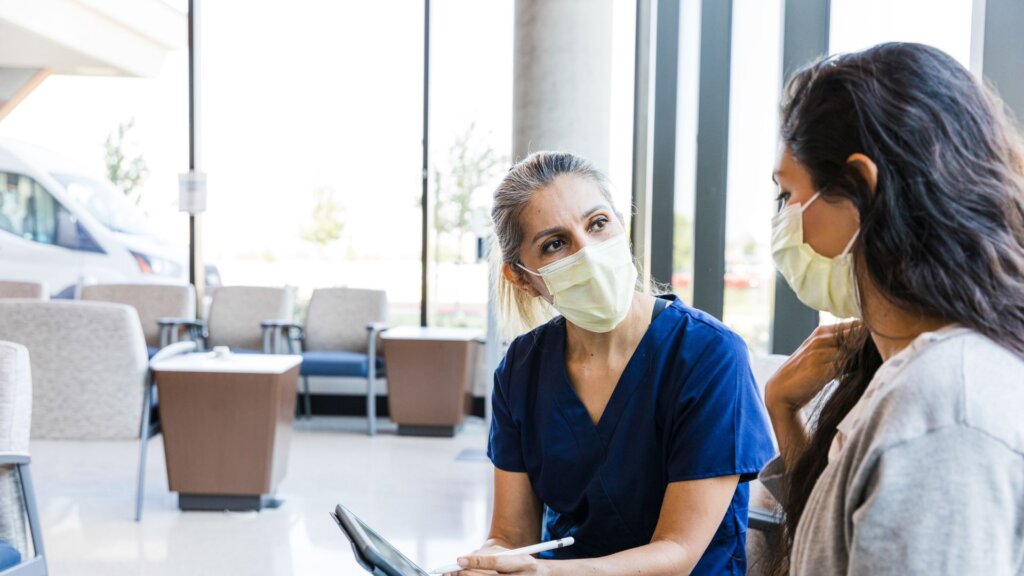
Empathy and compassion are key traits for triage nurses. These qualities allow them to connect more deeply with patients facing tough and scary situations. Nurses can ease anxiety and bring comfort during uncertain times by showing true understanding and care for a patient’s feelings and experiences.
This emotional support is especially important in emergency settings, where patients and their families often feel overwhelmed. Empathy also helps triage nurses better assess what’s happening, as understanding a patient’s emotions can give important context to their medical symptoms.
Multitasking

Multitasking is a key skill for triage nurses, who often handle a mix of tasks at the same time in a fast-paced setting. They need to be good at juggling multiple patient assessments while keeping an eye on changing conditions. This means acting quickly and knowing how to prioritize tasks effectively.
A skilled triage nurse can smoothly switch between duties, like assessing a patient while answering a colleague’s question or updating medical records. This ability to multitask helps ensure high standards of patient care remain intact, allowing nurses to respond quickly to all patients’ needs without sacrificing safety or quality.
Attention to Detail

Attention to detail is crucial for triage nurses because even small mistakes can have a big impact on patient outcomes. They need to carefully document patient information, like medical history, symptoms, and vital signs, making sure everything is accurate. This helps create precise assessments and treatment plans and ensures smooth communication among the healthcare team.
Moreover, attentive triage nurses can notice subtle changes in a patient’s condition that might signal a worsening situation that requires quick action. By focusing on details, they not only boost their effectiveness but also help create a safer and more efficient patient care environment.
Problem-Solving

Problem-solving is crucial for triage nurses, who often face unexpected challenges and complex patient situations. To succeed in this role, triage nurses need to tackle problems methodically, breaking them down to find the root causes and possible solutions. This usually means working with colleagues, using available resources, and applying critical thinking to develop effective strategies.
In high-pressure settings, the ability to quickly assess situations and implement solutions can significantly impact outcomes for patients in urgent need. By sharpening their problem-solving skills, triage nurses boost their ability to handle crises and ensure that care is both timely and appropriate.
How to Become a Triage Nurse
Ready to start your career as a triage nurse? Check out the steps below to learn how to start your journey, or to see where you’re at in the process.
Earn a Nursing Degree
To kick off your career as a triage nurse, you must first obtain a nursing degree. Aspiring nurses typically pursue an Associate Degree in Nursing (ADN) or a Bachelor of Science in Nursing (BSN). Both pathways provide the foundational knowledge required to understand patient care, medical terminology, and healthcare protocols. While an ADN allows for quicker entry into the workforce, a BSN can enhance job prospects and potential for advancement in the nursing field.
Looking to complete your degree on your own time? Consider pursuing an online nursing degree that may offer more flexible scheduling.
Obtain Nursing Licensure
After completing the nursing degree, candidates must pass the National Council Licensure Examination for Registered Nurses (NCLEX-RN) to obtain an active nursing license. This examination tests the knowledge and skills required to provide safe and effective nursing care.
Gain Clinical Experience
Hands-on experience is critical for triage nurses. New graduates are often encouraged to work in acute care settings, such as emergency departments or critical care units, where they can develop essential skills in patient assessment, emergency response, and clinical decision-making.
Pursue Triage Certification
While not always required, obtaining certification in triage nursing can enhance a nurse’s credentials. Organizations such as the Emergency Nurses Association (ENA) offer certification programs designed to validate expertise in triage-specific knowledge and practices.
Seeking Triage Nurse Positions
Once you have gained the necessary education, licensure, and clinical experience, the next step is to actively seek out positions as a triage nurse. Start by exploring job listings on TravelNurseSource to find jobs at top healthcare facilities in your dream locations.
Step Into the World of Triage Nursing
Starting a journey to become a triage nurse is both tough and super rewarding. By following the steps above, you’ll get the know-how and experience to really excel in this dynamic field. Whether you’re new to nursing or thinking about specializing, triage nursing gives you the chance to make a real impact on patients’ lives every day. So go ahead, take the leap into this vital role—you won’t regret it!
